Heat, an enemy of workplace safety
The problem of working under extreme heat conditions comes from two sources: disregarding safety regulations to avoid overheating and the suffering to which we expose our bodies by carrying out intense activities in such high temperatures.
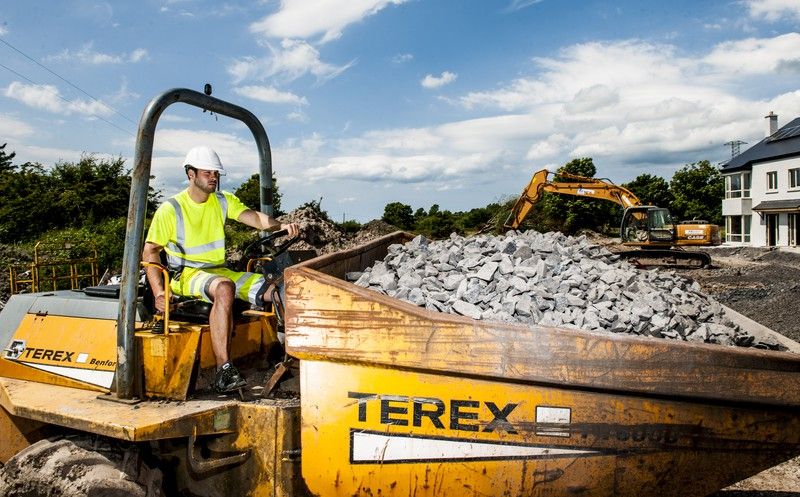
In summer, work must be carried out at very high temperatures (just as in winter, you don't stop because it's below zero...). For this reason, we must prepare ourselves to work in the safest possible way and provide our work teams with everything necessary to ensure their safety and comfort are not compromised.
Work tools must have specific characteristics, essential for the conditions in which the tasks are to be carried out.
Adaptability: garments must withstand high temperatures (materials, colours...) and manage humidity, drying as soon as possible if the individual sweats.
Breathability; with regard to this humidity management, the ideal would be for the worker not to sweat and this is achieved with clothing that breathes properly. Not only are the materials from which the garment is made important (preferably cotton or microfibre polyester), but it must also be a loose garment, which does not fit the body and allows air to pass through.
Mobility; the space needed to keep the body cool should not hinder movement, reducing the comfort and safety of the worker.
Safety; it goes without saying that the level of safety and protection that any work clothing should offer to the individual must be maintained.
Quality; in order for all these characteristics to be met at the same time, it is important that the garments are of quality. Brands are increasingly investing more in R&D, managing to make pieces that allow us to adapt to the environment without losing safety and protection.
Below we list some of the garments that we consider basic and examples of them in our store:
· Short-sleeved cotton polo shirt
· Technical t-shirt made of breathable fabric
· Detachable trousers or shorts; either of the two examples is ideal. Even more advisable if they have multiple pockets, so as not to reduce the comfort of the worker.
· High visibility clothing; any of the above can have reflective elements or be made in bright colours. In the case of vests, they should not be padded or lined.
· Footwear made of soft leather, or microperforated fabric, and with a sole made of breathable material.
· Accessories and PPE; these items cannot be left unused even if they make us hot. For example, it is essential to wear a helmet, so we can choose between a cooling helmet or a ventilated one.
Glasses are a very important item. Not only should they protect against specific dangerous agents, they should also properly protect against the sun (with UV filters) and be wraparound.
The use of hats or caps to cover the head from direct exposure to the sun is highly recommended. In addition, sunscreen or sunscreen should not be missing to prevent skin burns.
Some basic recommendations that we make at Maxport:
Provide shade for workers with parasols and umbrellas so that they are not exposed to the sun. If this is not possible, they should take turns among colleagues to moderately withstand the high temperatures in sunny areas. There are some companies that adapt their work schedules to the hours of less heat, this is a great alternative if we have the possibility to carry it out.
Work clothes must protect from the sun's rays and be breathable to avoid sweating. As we have listed before, there are a series of basic garments and characteristics that help achieve this.
Finally, one of the most important recommendations; provide water or isotonic drinks to workers in order to avoid dehydration, due to the loss of liquid when sweating.
We hope that our advice has been helpful to you in dealing with the stifling heat that we have these days, without losing focus on workplace safety.
Other related articles
 March 8, 2025
The importance of colors in work clothes
Work clothes are much more than just a uniform; It is a … Feb. 8, 2025
Health EPIS
In 2020 they have been the most demanded articles, by professionals and … Jan. 22, 2025
Footwear for work. What should the ideal work footwear be like?
Work footwear is a necessity for anyone working in an environment where … Nov. 22, 2024
High Visibility PW3
At Portwest we are very pleased to introduce great new color options … Nov. 8, 2024
Opinions of our clients
Receive our news